 3 video lessons
Human Anatomy I
PQ Tube
Every course here is a playlist in the order its outline is taught. Pick a line and watch a video that teaches it.
Continue watching
Every course
3 video lessons
Human Anatomy I
 3 video lessons
Pharmacognosy I
 2 video lessons
Software Engineering

 4 video lessons
Alimentary and Renal System I


 44 video lessons
Molecular and Cellular Basis of Health and Disease I


 6 video lessons
Introduction to Pharmacology
 1 video lesson
General Pharmaceutics


 4 video lessons
Business Law I


 10:03
MLO2 Relate the microscopic structure of the alimentary tract and its associated glands to their functions.
26:20
MLO3 Describe the development of the alimentary tract and associated organs and explain the basis of their congenital anomalies.
8:29
1.2.5 Describe the layers of the scrotum and the structure of the penis and of the female external genitalia.
4:25
4.2.1 Describe the digestive enzymes acting on carbohydrates, proteins and lipids and their sites of action.
14:23
MLO1 Use anatomical and medical terminology, describe the methods used to gather information about the body, and relate structure to function and to clinical practice.
11:56
MLO2 Describe the structure of prokaryotic and eukaryotic cells and viruses, the organelles and their functions, and the cell membrane and its transport mechanisms.
17:04
MLO3 Describe the structure, reactions and functions of carbohydrates, lipids, proteins, enzymes and vitamins, and apply biochemical thermodynamics and enzyme kinetics.
11:09
MLO4 Explain the energy-generating pathways, their regulation and integration, and the clinical consequences of their disorders.
 12:40
MLO5 Describe cell division, cell growth and the basic concepts of medical genetics, and explain their consequences for health and disease.
 37:13
MLO6 Describe the light and electron microscopic organisation of the basic tissues, including nervous tissue and nerve regeneration, and relate structure to function.
 21:59
MLO7 Explain homeostasis, the composition of body fluids, membrane potentials, the generation, propagation and recording of action potentials, synaptic transmission and cell signalling.
 8:20
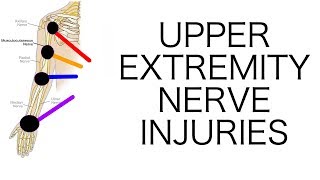
MLO8 Describe the functional and applied anatomy of the upper limb and predict the effects of nerve injuries.
7:09
Describe the history and scope of pharmacology, the sources of drugs, and the nature and nomenclature of drugs.
29:31
Explain the molecular targets of drug action and the signal transduction mechanisms linked to each receptor family.
24:36
Explain the mechanisms and consequences of receptor regulation, desensitisation and tolerance.
8:05
Predict pharmacokinetic and pharmacodynamic drug interactions from their mechanisms.
 11:46
Define drug, medicine, prodrug and placebo.
 9:41
Outline the stages of drug development: discovery, preclinical testing, clinical trial phases I–IV and post-marketing surveillance.
Videos play from YouTube. Watching is free for everyone. YouTube Terms of Service · Google Privacy Policy