


-
35:37
Watched
Explain the nature, scope and history of pharmacognosy and the role of modern pharmacognosy in drug discovery.
-
31:56
Watched
Apply the principles of plant taxonomy and botanical nomenclature to medicinal plants.
-
12:39
Watched
Describe and use the macroscopic and microscopic features of crude drugs from plant, animal and mineral sources for identification.
-
12:53
Watched
Prepare sections and mounts of plant material, and perform microscopic measurements of plant cells and tissues.
-
 30:46
Watched
Characterise organized and unorganized drugs and powders of natural origin.
-
 5:24
Watched
Prepare herbarium specimens and explain their use.
Pharmacognosy
-
 25:43
Watched
Define pharmacognosy and related terms
-
 13:55
Watched
Outline the history of pharmacognosy
-
 31:37
Watched
Explain the systems for classifying crude drugs
-
 39:47
Watched
Define taxonomy, systematics, classification, nomenclature and identification
-
 12:16
Watched
Describe the taxonomic hierarchy from kingdom to species
-
 5:42
Watched
Apply the binomial system and the rules of botanical nomenclature
-
 5:24
Watched
Describe leaf morphology
-
 7:04
Watched
Describe the morphology of roots, rhizomes, tubers, bulbs and barks
-
 5:04
Watched
Describe the morphology of flowers, fruits and seeds
-
 13:37
Watched
Describe plant cell types and tissues
-
 4:48
Watched
Describe the arrangement of tissues in transverse sections
-
 11:01
Watched
Prepare free-hand and microtome sections and temporary and permanent mounts
-
 6:59
Watched
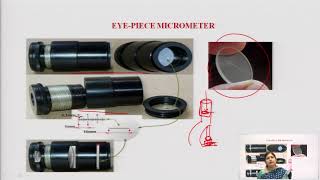
Calibrate an eyepiece micrometer and measure cells
-
 25:30
Watched
Determine leaf constants
-
25:30
Watched
Describe the lycopodium spore method of quantitative microscopy
-
 14:58
Watched
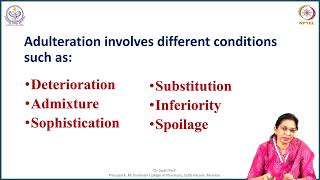
Define adulteration, substitution and sophistication
-
 26:53
Watched
Give examples of adulterants and substitutes
-
 31:36
Watched
Describe the methods of evaluating crude drugs
-
 7:13
Watched
Calculate and interpret physicochemical constants
-
 6:10
Watched
Define a herbarium and describe its functions
-
 12:17
Watched
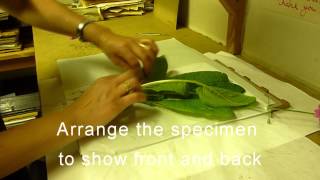
Describe the collection and preparation of plant specimens
-
5:24
Watched
Prepare a herbarium specimen
-
 5:39
Watched
Describe mineral drugs of pharmaceutical importance
-
 13:27
Watched
Describe drugs and excipients of animal origin
-
 9:51
Watched
Distinguish organized from unorganized drugs
-
 24:26
Watched
Classify surgical fibres and dressings
-
 38:47
Watched
Describe sources, cultivation, collection and preservation of crude drugs
-
 16:25
Watched
Describe the major classes of active constituents and identification tests
Introduction to pharmacognosy
-
25:43
Watched
Define pharmacognosy and related terms (crude drug, natural product, herbal medicine, phytotherapy, ethnopharmacology, phytochemistry).
-
 21:29
Watched
Outline the history of pharmacognosy, from traditional systems of medicine to modern pharmacognosy.
-
 3:37
Watched
Explain the role of modern pharmacognosy in drug discovery, with examples of medicines derived from natural sources (e.g. morphine, quinine, artemisinin, vincristine, paclitaxel, digoxin).
Introduction to taxonomy
-
39:47
Watched
Define taxonomy, systematics, classification, nomenclature and identification.
-
12:16
Watched
Describe the taxonomic hierarchy from kingdom to species.
-
5:42
Watched
Apply the binomial system and the rules of botanical nomenclature to write plant names correctly, including author citation.
Macromorphological features of medicinal plants
-
5:24
Watched
Describe leaf morphology (lamina, apex, margin, base, venation, phyllotaxy; simple and compound leaves) as applied to leaf drugs.
-
7:04
Watched
Describe the morphology of roots, rhizomes, tubers, bulbs and barks, and distinguish underground stems from roots.
Micromorphological features of medicinal plants
-
 9:13
Watched
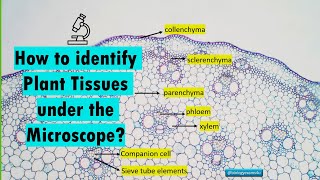
Describe the structure and function of plant cell types (parenchyma, collenchyma, sclerenchyma: fibres and sclereids) and tissues (epidermal, ground, vascular: xylem and phloem; cork; secretory tissues).
-
 22:30
Watched
Describe the arrangement of tissues in transverse sections of leaf, stem, root and bark.
Isolation techniques and microscopic measurement of plant cells and tissues
-
11:01
Watched
Prepare free-hand and microtome sections and temporary and permanent mounts, using appropriate stains and reagents.
-
 3:54
Watched
Calibrate an eyepiece micrometer against a stage micrometer, and measure cells and inclusions.
-
25:30
Watched
Describe the lycopodium spore method of quantitative microscopy.
Adulteration of crude drugs
-
14:58
Watched
Define adulteration, substitution and sophistication, and classify the types of adulteration.
-
26:53
Watched
Give examples of adulterants and substitutes of crude drugs, and describe how each is detected.
-
31:36
Watched
Describe the methods of evaluating crude drugs: organoleptic, microscopic, physical, chemical and biological.
-
7:13
Watched
Calculate and interpret physicochemical constants (total ash, acid-insoluble ash, loss on drying, extractive value).
Herbarium
-
6:10
Watched
Define a herbarium and describe its functions.
-
 2:17
Watched
Describe the collection of plant specimens, field notes, pressing, drying, preservation, mounting, labelling and storage.
-
 6:01
Watched
Prepare a herbarium specimen with a correct label and voucher number.
Mineral drugs of pharmaceutical importance


Share this course
Send it to your class on WhatsApp.
WhatsAppVideos play from YouTube. Watching is free for everyone. YouTube Terms of Service · Google Privacy Policy