


Anatomy (Gross Anatomy)
1.1 Anterior abdominal wall (Gross Anatomy)
-
12:40
Watched
1.1.1 Identify on a living subject the surface landmarks and planes (mid-inguinal lines, subcostal and transpyloric planes, anterior superior iliac spine, pubic tubercle) and the nine regions of the abdomen, and project the main abdominal organs onto them.
-
13:15
Watched
1.1.2 Describe the attachments, nerve supply and actions of external oblique, internal oblique, transversus abdominis and rectus abdominis, and explain their roles in respiration, micturition and defecation.
-
13:49
Watched
1.1.3 Draw and describe the structure of the rectus sheath above and below the arcuate line.
-
14:41
Watched
1.1.4 Describe the arterial supply, venous drainage and segmental innervation of the anterior abdominal wall, and predict the sensory and motor effects of injury to the lower intercostal nerves in the midaxillary line and at their entry to the rectus sheath.
-
 8:22
Watched
1.1.6 List the information gained from inspection and palpation of the intact abdomen and the factors that contribute to normal variation in the position of abdominal organs.
1.2 External genitalia: inguinal region, spermatic cord and testis (Gross Anatomy)
-
 5:07
Watched
1.2.1 Describe the inguinal canal (walls, deep and superficial rings, inguinal ligament, conjoint tendon, transversalis fascia) and its contents in each sex (spermatic cord, round ligament of the uterus).
-
 10:47
Watched
1.2.2 Distinguish direct from indirect inguinal hernias by their relation to the inferior epigastric vessels and the inguinal (Hesselbach’s) triangle, and explain the mechanisms that normally prevent herniation.
-
 6:09
Watched
1.2.3 List the components and coverings of the spermatic cord (external spermatic, cremasteric and internal spermatic fascia) and state their functions.
-
 21:14
Watched
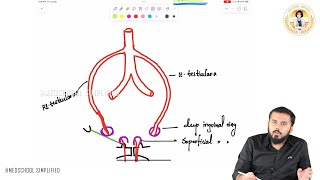
1.2.4 Describe the arterial supply, venous drainage (pampiniform plexus) and lymphatic drainage (para-aortic nodes) of the testis and explain their clinical significance.
-
 8:29
Watched
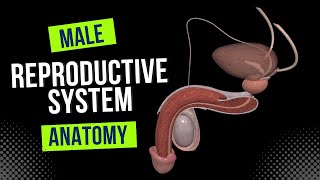
1.2.5 Describe the layers of the scrotum and the structure of the penis and of the female external genitalia.
Share this course
Send it to your class on WhatsApp.
WhatsAppVideos play from YouTube. Watching is free for everyone. YouTube Terms of Service · Google Privacy Policy