

Renal Physiology, Biochemistry of Urine and Body Fluids, and Psychological Aspects
6.1 Functions of the kidney (Physiology)
-
4:47
Watched
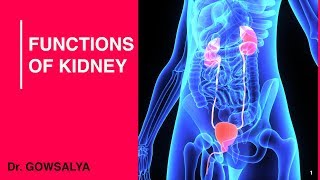
6.1.1 Explain the functions of the kidney: excretion of metabolic wastes and foreign chemicals; regulation of water and electrolyte balance, osmolarity, arterial pressure and acid–base balance; hormone secretion and metabolism; gluconeogenesis.
-
0:39
Watched
6.1.2 Describe the functional anatomy of cortical and juxtamedullary nephrons and the magnitude of renal blood flow.
6.2 Glomerular filtration and renal blood flow (Physiology)
-
2:27
Watched
6.2.1 Explain the determinants of the glomerular filtration rate (Starling forces, filtration coefficient) and calculate net filtration pressure.
-
10:48
Watched
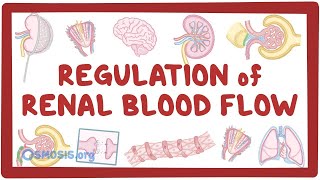
6.2.2 Describe the physiological control of GFR and renal blood flow (sympathetic nerves, angiotensin II, prostaglandins, nitric oxide).
-
 25:05
Watched
6.2.3 Explain autoregulation of GFR and renal blood flow by the myogenic mechanism and tubuloglomerular feedback.
-
 16:30
Watched
6.2.4 Calculate GFR from inulin or creatinine clearance and calculate the filtration fraction.
6.3 Tubular reabsorption and secretion; concentrating the urine (Physiology)
-
 6:46
Watched
6.3.2 Explain tubular secretion and the transport maximum, using the renal threshold for glucose as an example.
-
 13:49
Watched
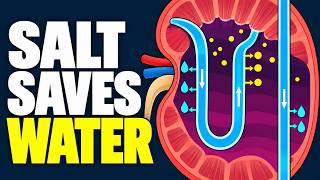
6.3.3 Explain the requirements for excreting a concentrated urine: countercurrent multiplication, urea recycling, the vasa recta and ADH.
-
 18:04
Watched
6.3.4 Relate the renal transporters to the sites of action of loop and thiazide diuretics and SGLT2 inhibitors.
6.7 Urine as a body fluid (Medical Biochemistry)


Share this course
Send it to your class on WhatsApp.
WhatsAppVideos play from YouTube. Watching is free for everyone. YouTube Terms of Service · Google Privacy Policy