

Pharmacology
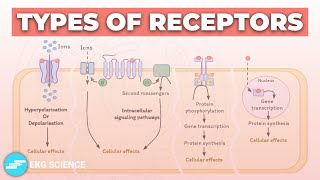
Receptor families and second-messenger effector systems
-
37:20
Watched
Describe the four receptor superfamilies (ligand-gated ion channels, G protein-coupled receptors, kinase-linked receptors, nuclear receptors): structure, time scale of response and a prototype example of each.
-
0:38
Watched
Describe the second messengers (cAMP, cGMP, IP₅, DAG, Ca²⁺, nitric oxide) and explain signal amplification.
-
0:38
Watched
Explain the G-protein cycle and the main effector pathways: Gs/Gi–adenylyl cyclase–cAMP–protein kinase A; Gq–phospholipase C–IP₃/DAG–Ca²⁺–protein kinase C; direct regulation of ion channels.
Targets of drug action and drug–receptor interaction
-
 14:56
Watched
Describe the forces involved in drug–receptor interaction (ionic, hydrogen, van der Waals, hydrophobic, covalent) and relate bond type to reversibility and duration of action.
-
 2:45
Watched
Distinguish drugs acting on specific targets from those acting by non-specific physicochemical mechanisms (e.g. antacids, osmotic diuretics, chelating agents).
-
1:45
Watched
Name the four main classes of protein target (receptors, ion channels, enzymes, carriers/transporters) and give an example drug acting on each.
Share this course
Send it to your class on WhatsApp.
WhatsAppVideos play from YouTube. Watching is free for everyone. YouTube Terms of Service · Google Privacy Policy