

Biochemistry
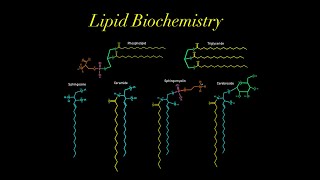
1.4 Lipid structure and function (Biochemistry)
-
8:10
Watched
1.4.1 Classify fatty acids (saturated, unsaturated, essential, cis and trans) and describe the structure of glycerol and triacylglycerols.
-
18:57
Watched
1.4.2 Describe the structure, classification and functions of phospholipids and sphingolipids, and the reactions of lipids (hydrolysis, saponification, peroxidation).
-
6:15
Watched
1.4.3 Describe the clinical importance of lipids, including sphingolipidoses, trans fats and lipid peroxidation.
-
9:28
Watched
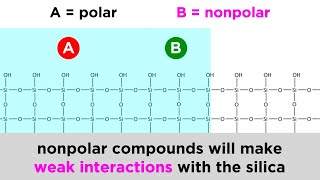
1.4.4 Explain the principles of separating lipids, including thin-layer chromatography.
2.3 Lipid metabolism I: digestion, fatty acid oxidation and ketone bodies (Biochemistry)
-
 5:44
Watched
2.3.1 Outline the digestion and absorption of lipids.
-
 29:40
Watched
2.3.2 Describe the activation and carnitine-mediated transport of fatty acids into mitochondria and the reactions and energy yield of beta-oxidation.
-
 31:23
Watched
2.3.3 Describe the synthesis and utilisation of ketone bodies and explain ketosis in starvation and diabetic ketoacidosis.
-
 4:48
Watched
2.3.4 Describe errors of fatty acid oxidation (for example MCAD and carnitine deficiency) and their presentation with hypoketotic hypoglycaemia.
2.4 Lipid metabolism II: fatty acid biosynthesis (Biochemistry)


Share this course
Send it to your class on WhatsApp.
WhatsAppVideos play from YouTube. Watching is free for everyone. YouTube Terms of Service · Google Privacy Policy